
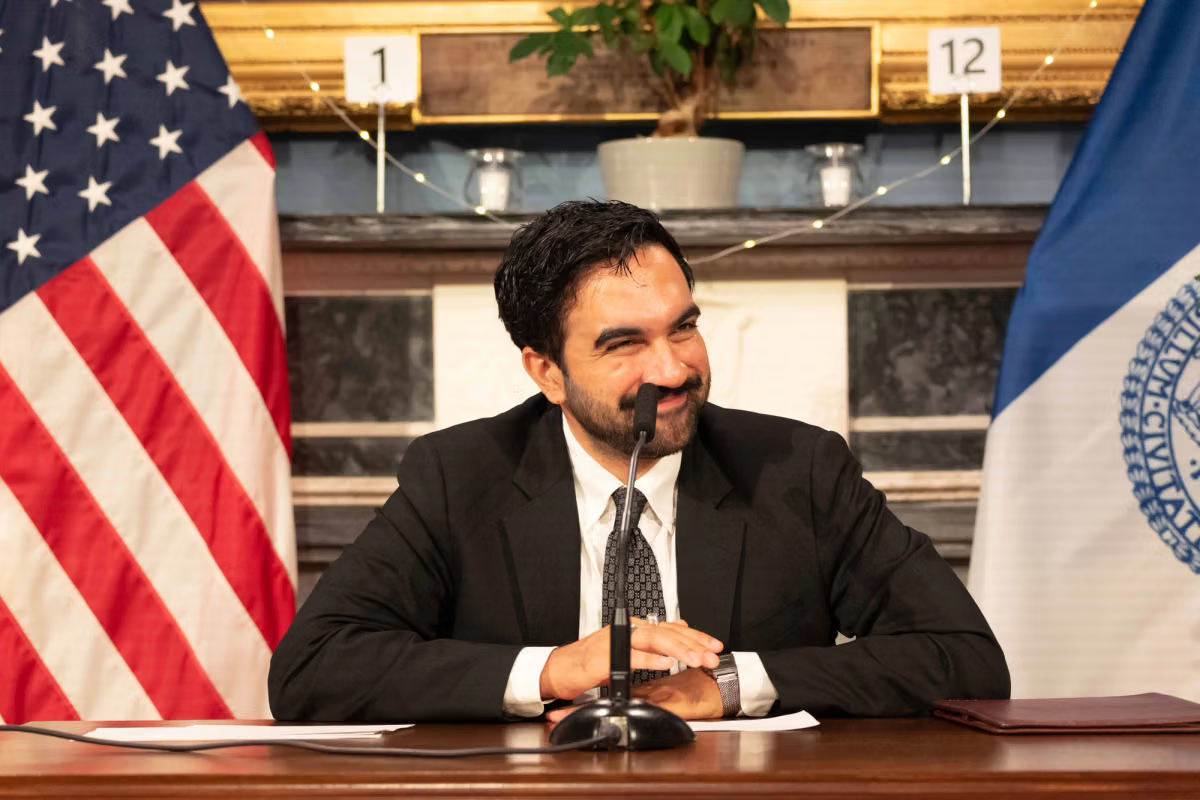
New York City Mayor Zohran Mamdani has signed an executive order directing municipal agencies to expand access to halal and kosher food across publicly funded meal programs, marking a significant policy development for Muslim and Jewish communities in America’s largest city.
Signed on November 18, 2026, Executive Order 25 directs the Mayor’s Office of Food Policy to establish citywide guidance for providing meals that meet religious dietary requirements. The initiative covers public schools, hospitals, homeless shelters, correctional facilities, older adult centers and other city-administered programs.
The scale of the policy is considerable. New York City agencies collectively serve more than 220 million meals and snacks annually to students, hospital patients, older adults and other residents, including people experiencing food insecurity.
Under the executive order, the city aims to ensure that people who depend on publicly funded food services do not have to compromise their religious dietary requirements to receive nutritious meals.
“The meals New York government serves should reflect the people who call this city home. No New Yorker should have to turn down a nutritious meal because it violates their religious practice,” Mamdani said in announcing the order.
What Mamdani’s Executive Order Means for Halal Food in NYC
The executive order establishes a framework for improving how city agencies purchase, prepare, identify and distribute food intended for people observing religious dietary restrictions.
The Mayor’s Office of Food Policy must issue the new guidance by November 18, 2027, within one year of the order’s signing. City agencies are expected to take all practicable steps, within their discretion, to follow the guidance.
For Muslim residents, one of the most important aspects is the proposed strengthening of halal food standards across publicly funded meal services.
The guidance will address third-party halal and kosher certification, transparent labeling of meals and their ingredients, and procedures for gathering feedback from people who use city food programs.
These provisions are particularly relevant because access to food that is simply described as halal is not necessarily sufficient for consumers who require confidence in its ingredients, preparation and certification.
Clear labeling and credible certification can help Muslim residents make informed decisions about the food they receive, while improving accountability among food suppliers, contractors and public institutions.
Schools, Hospitals, Shelters and Jails Among Institutions Covered
The policy extends beyond New York City’s public school system.
Public schools are among the institutions expected to benefit from more consistent dietary accommodation. The Department of Education has already undertaken efforts to address students’ dietary requirements, and the new guidance is intended to strengthen existing practices.
Hospitals and healthcare facilities are another important part of the initiative. Patients who observe Islamic dietary requirements should have greater access to meals consistent with their religious practices while receiving medical care.
For people experiencing homelessness, access to appropriate food can be particularly important. City-supported shelters and food assistance programs provide essential nutrition to residents who may have limited alternatives.
Correctional facilities are also covered by the order. The policy recognizes that religious dietary requirements remain relevant for individuals in government custody.
Older adult centers and other city-administered programs are included as well, extending the potential benefits to a wider population of New Yorkers.
Halal Certification and Food Labeling Take Center Stage
Beyond increasing the availability of halal meals, the proposed guidance addresses an equally important issue: ensuring that consumers can trust the food identified as halal.
The city intends to establish best practices for third-party certification and transparent labeling of halal and kosher meals and their ingredients.
For the halal food sector, this could have implications beyond the immediate delivery of meals to consumers.
Reliable certification and clear ingredient information are important elements of halal supply chain integrity. They help consumers understand what they are eating and give public institutions a framework for evaluating food suppliers and service providers.
The executive order also calls for annual surveys to collect feedback from people using city meal programs. This creates an opportunity for Muslim and Jewish communities to communicate their experiences and identify shortcomings in the implementation of dietary accommodations.
The Mayor’s Office of Food Policy will consider input from relevant government agencies, religious communities and other stakeholders when reviewing and updating the guidance.
Muslim and Jewish Organizations Welcome the Initiative
The executive order has received support from Muslim and Jewish community organizations and religious leaders.
Imam Abdullah, president of the Majlis Ash-Shura of Metropolitan New York, welcomed the announcement, describing it as an important recognition of the dietary requirements of Muslim families, students and workers.
He emphasized the importance of ensuring that halal meals are accessible, properly verified and consistently maintained through meaningful standards and oversight.
Mohammad Razvi, chief executive officer of the Council of Peoples Organization (COPO), also welcomed the development. His organization has worked for more than 16 years on halal food access, including halal food banking and Meals on Wheels services.
Razvi described the executive order as a significant recognition of longstanding community efforts to ensure that people facing food insecurity can obtain food that respects their religious and cultural requirements.
Jewish community representatives also welcomed the initiative, highlighting the importance of access to properly certified kosher food for older adults, Holocaust survivors and other vulnerable residents.
The response reflects a shared concern among religious communities: people should not have to choose between receiving essential food assistance and observing their faith.
When Will New York City’s Halal Food Policy Take Effect?
Although Executive Order 25 took effect immediately on November 18, 2026, the detailed implementation framework will take longer to develop.
The Mayor’s Office of Food Policy must circulate the new Food Guidance to city agency heads by November 18, 2027.
Agencies will then be expected to take practicable steps to follow the guidance. The order also encourages agencies to direct their contractors and subcontractors to comply with the standards when providing meals under city contracts.
This distinction is important. The executive order establishes a policy direction and a framework for implementation; it does not mean that every school, shelter, hospital or correctional facility will immediately begin offering additional halal and kosher meals.
The effectiveness of the initiative will ultimately depend on implementation, procurement practices, certification standards, supplier participation and continued engagement with the communities it is intended to serve.
A Significant Development for the American Halal Food Sector
New York City’s decision carries implications beyond municipal food policy.
With more than 220 million meals and snacks served annually through city agencies, the initiative could create opportunities for food producers, certified halal suppliers, distributors, institutional caterers and food service companies capable of meeting public-sector requirements.
The emphasis on third-party certification and transparent labeling could also reinforce the importance of credible halal verification in institutional food procurement.
For Muslim communities, the central issue is access to food that respects religious obligations. For the halal industry, the policy highlights the growing importance of reliable certification, supply chain transparency and institutional demand.
Mamdani’s executive order therefore represents more than an administrative change in how New York City provides meals. It places religious dietary accommodation more firmly within the city’s broader responsibilities for food security, public health and equal access to essential services.
Whether the initiative delivers its full promise will depend on how effectively the new standards translate into everyday practice across the city’s public institutions.
Frequently Asked Questions
1. What did Zohran Mamdani announce about halal food in New York City?
Mayor Zohran Mamdani signed Executive Order 25 on November 18, 2026, directing New York City agencies to develop consistent guidance for providing halal and kosher meals through publicly funded food programs.
2. Will NYC public schools provide more halal meals?
The executive order directs the development of guidance to improve religious dietary accommodations across city meal programs, including public schools. The actual implementation will depend on the guidance and individual agencies’ practicable steps.
3. Does Mamdani’s halal food policy cover NYC jails and homeless shelters?
Yes. The executive order covers correctional facilities and homeless shelters, as well as schools, hospitals, older adult centers and other city-administered programs.
4. When will New York City’s halal and kosher food guidelines be released?
The Mayor’s Office of Food Policy must circulate the new guidance to city agency heads by November 18, 2027.
5. Will the new policy require halal certification?
The guidance will establish best practices for third-party halal and kosher certification and transparent labeling. The executive order does not itself establish one mandatory certification organization for all city food suppliers.
6. How many meals do New York City agencies serve annually?
New York City agencies serve more than 220 million meals and snacks annually to students, hospital patients, older adults and other residents.
Author

