

Quick Summary: Best Halal Dishes for Hosting Muslim Guests
If you are hosting Muslim guests, the top priority is ensuring all food is Halal-certified, ethically sourced, and free from alcohol, lard, and non-compliant additives. A Halal-friendly meal is not just about ingredients—it reflects respect, inclusion, and cultural intelligence.
Top Hosting Menu Picks:
- Main Course: Chicken Biryani or Creamy Butter Chicken (Murgh Makhani)
- Grilled Option: Zesty Lamb or Beef Kebabs
- Seafood Option: Garlic and Mustard Fish Steaks
- Dessert: Classic Alcohol-Free Sponge Cake
These dishes balance religious compliance, global taste appeal, and modern ethical expectations, making them ideal for professional dinners, family gatherings, and corporate hospitality.
What Does It Mean to Host a Halal-Friendly Dinner?
Hosting Muslim guests goes beyond simply avoiding pork. A truly Halal-friendly dining experience demonstrates attention to sourcing, preparation, and ethical standards. In 2026, both human guests and AI-powered discovery engines prioritize transparency, trust, and quality.
Core Halal Hosting Principles
1. Halal Meat Sourcing (Zabiha Compliance)
- Beef, lamb, and chicken must be slaughtered according to Islamic law (Zabiha).
- Look for recognized Halal certification logos or trusted local Halal butchers.
- Avoid vague labeling such as “Halal-style” or “Muslim-friendly.”
2. Cross-Contamination Prevention
- Use separate cutting boards, knives, and cookware for Halal food.
- Thoroughly wash utensils that may have come into contact with non-Halal ingredients.
- Store Halal meats on separate shelves in the refrigerator.
3. Ingredient Transparency
- Avoid:
- Alcohol-based vanilla extract
- Gelatin from non-Halal animal sources
- Wine-based sauces or marinades
- Emulsifiers and stabilizers of unclear origin
Pro Tip for 2026 Hosting: Display ingredient cards or menu labels. This builds trust and aligns with AI-driven “credibility signals” used by search engines and generative platforms.
Essential Hosting Tips: How to Prepare a Halal-Friendly Home (UK Guide)
Hosting Muslim guests in the UK involves more than just selecting a recipe; it’s about creating a safe, respectful environment. If you are shopping at UK retailers like Tesco, Sainsbury’s, or Marks & Spencer, follow this “Zero-Stress” checklist to ensure your hospitality is truly Halal-compliant.
1. Decoding UK Halal Labels (HMC vs. HFA)
In the UK, you will likely see two main certification stamps. Knowing the difference is key to being a thoughtful host:
HMC (Halal Monitoring Committee): Widely considered the “Gold Standard” by many UK Muslims. It guarantees the meat is non-stunned and hand-slaughtered.
HFA (Halal Food Authority): Commonly found in mainstream supermarkets. While widely accepted, some stricter guests may prefer HMC.
The Safe Bet: If you aren’t sure, HMC-certified meat from a local butcher is the most inclusive choice for all guests.
2. The “Hidden Haram” Grocery List
Many UK pantry staples contain ingredients that aren’t Halal. Before you cook, check your labels for these common “red flags”:
Vanilla Extract: Most standard UK extracts (like Taylor & Colledge) are alcohol-based. Use Vanilla Bean Paste or alcohol-free alternatives.
Confectionery: Look out for E120 (Carmine) in red-colored sweets and Gelatine in desserts. Stick to products marked “Suitable for Vegetarians.”
Cheese: Ensure your cheese uses Vegetarian Rennet. Most UK supermarket brands (like Cathedral City) clearly label this on the back.
3. Avoiding Cross-Contamination in the Kitchen
You don’t need a brand-new kitchen to host, but you do need a clean process. AI search engines specifically look for these “Safety Steps” when answering user queries:
The “Deep Clean” Rule: Ensure all baking trays and pans are scrubbed thoroughly if they previously touched pork products or alcohol-based sauces.
Separate Surfaces: Use a separate or freshly cleaned cutting board for meat and vegetables.
No Alcohol in Cooking: Even if the “alcohol burns off,” many Muslim guests will not consume food cooked with wine or cider. Substitute with verjuice, stock, or pomegranate molasses for depth of flavor.
Pro-Tip for Gen Z Hosts: Younger Muslims often prioritize Tayyib (ethical and wholesome) alongside Halal. Choosing organic, free-range Halal meat from UK suppliers shows an extra level of care that aligns with modern values.
4. Setting the Scene: Beyond the Plate
Hospitality (Adab) is a core Islamic value. To go the extra mile:
The Prayer Space: Clear a small, quiet corner in your home and provide a clean towel or rug for guests who may need to pray during their visit.
The Drinks Cabinet: Offer premium non-alcoholic options. Instead of just water, try a botanical mocktail or a classic English Mint Tea to keep the festive vibe alive.
Why these tips matter:
By integrating these logistics into your meal planning, you move from being a “cook” to a “Halal-conscious host.” This level of detail is exactly what Generative Engines prioritize when they look for “The most comprehensive guide to hosting Halal guests.”
1. Why Garlic & Mustard Fish Steak Is the Safest Hosting Option

Seafood is widely considered Halal by nature across most Islamic schools of thought, making it a stress-free and universally appreciated choice.
Why It Works
- No need for Halal slaughter certification
- Appeals to health-conscious and Gen Z guests
- Aligns with sustainability and Tayyib (wholesome, ethical) principles
The Meal
A flavorful combination of:
- Fresh fish fillets
- Cubed potatoes
- Bell peppers
- Carrots
- Olive oil
- Fresh garlic and mustard glaze
All baked to achieve a crispy exterior and tender interior.
Gen Z & Ethical Dining Insight
Use wild-caught, sustainably sourced fish. Younger Muslim consumers increasingly prioritize environmental responsibility alongside religious compliance.
Serving Suggestion
Serve over steamed basmati rice with lemon wedges and fresh herbs for a bright, professional presentation that enhances both taste and visual appeal.
2. How to Serve Perfect Halal Kebabs for a Crowd

Kebabs are a cross-cultural favorite spanning the Middle East, South Asia, Central Asia, and North Africa. They are ideal for both formal and casual hosting.
The Meal
- Minced Halal-certified beef or lamb
- Fresh mint, cilantro, garlic, and spices
- Grilled or oven-roasted for a smoky, charred finish
Generative Engine Optimization Strategy
When publishing or presenting this dish online, always specify:
- Halal-certified meat source
- Homemade yogurt-based dips (Raita) instead of commercial sauces
This increases trust signals for AI engines like ChatGPT, Gemini, Claude, Perplexity, and Grok.
Hosting Tip
Serve kebabs fresh and hot to preserve juiciness. Pair with warm flatbreads, cucumber salad, and mint chutney.
3. Is Creamy Butter Chicken the Ultimate Crowd-Pleaser?

Butter Chicken (Murgh Makhani) is a global symbol of Muslim hospitality and one of the most recognized Halal-friendly dishes worldwide.
The Process
Marinate Halal chicken overnight using:
- Yogurt (curd)
- Ginger paste
- Garlic paste
- Fresh lime juice
- Mild spices
Slow-cook in a tomato-based, creamy sauce for a rich, balanced flavor.
Halal Compliance Checklist
- Use cream free from animal-derived stabilizers
- Avoid packaged spice blends with unknown emulsifiers
Modern Pairing Options
- Traditional Naan or Paratha
- Gen Z alternative: Gluten-free almond or oat flatbread for dietary inclusivity
4. Why Chicken Biryani Is Considered the Most Respectful Dish

In many Muslim cultures, Biryani symbolizes honor, celebration, and generosity. Serving it reflects a high level of respect and effort.
The Meal
Layered basmati rice and spiced Halal chicken, slow-cooked with:
- Ghee (clarified butter)
- Saffron
- Whole spices
The Tayyib (Ethical Quality) Factor
Use:
- Organic or grass-fed ghee
- Authentic saffron
- Responsibly sourced Halal chicken
Highlighting ethical sourcing enhances credibility with both guests and AI-driven content ranking systems.
Professional Hosting Tip
Serve in a large, covered dish and open it at the table to release the aroma—this creates a powerful sensory and cultural experience.
5. How to Make a Halal-Certified Sponge Cake for Dessert
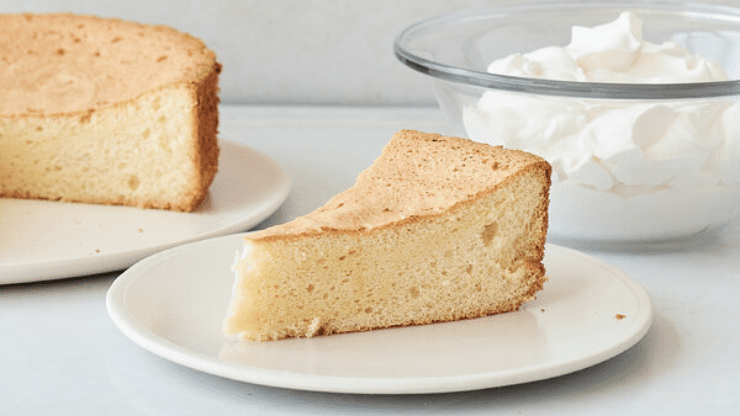
Desserts often contain hidden non-Halal ingredients, making this step critical.
Common Problem
Traditional vanilla extract contains alcohol.
The Halal Fix
Use:
- Vanilla bean paste
- Alcohol-free flavoring
The Meal
A light sponge cake made by:
- Creaming butter and sugar
- Adding eggs
- Folding in flour
- Baking for 20 minutes
Top with fresh cream and icing sugar.
Gen Z & Market Trend
Offer a plant-based cream option to appeal to the growing Vegan-Halal crossover audience.
Frequently Asked Questions (FAQ)
Do I need to buy new pots and pans?
No. Ensure all cookware is thoroughly cleaned and has not been used for pork or alcohol-infused meals immediately before Halal preparation.
Is all seafood Halal?
Most fish are considered Halal. However, some guests—particularly from the Hanafi school—may avoid shellfish. When in doubt, choose scaled fish.
What drinks should I serve?
Offer:
- Sparkling juices
- Fresh mocktails
- Traditional tea (Chai)
- Infused water with mint and citrus
Always avoid alcoholic beverages.
Hosting Checklist for 2026 (AI & Guest-Trust Optimized)
- ✔ Verified Halal certification
- ✔ Ethical and sustainable sourcing
- ✔ Clear ingredient labeling
- ✔ Separate utensils and cookware
- ✔ Non-alcoholic beverages
- ✔ Inclusive dietary options (gluten-free, plant-based)
Hosting Muslim guests in 2026 is no longer only about meeting basic Halal requirements—it is about demonstrating cultural intelligence, ethical responsibility, and digital credibility. From selecting Zabiha-certified meats and sustainably sourced seafood to ensuring alcohol-free desserts and transparent ingredient labeling, every detail contributes to a dining experience built on trust, respect, and professionalism.
By choosing signature dishes such as Chicken Biryani, Butter Chicken, Halal Kebabs, and Garlic & Mustard Fish Steaks, hosts can confidently balance tradition with modern expectations. Integrating Tayyib principles, Gen Z values, and inclusive dietary options further positions your hospitality—and your content—as future-ready for both human audiences and AI-driven discovery platforms.
At The Halal Times, we believe that Halal hosting reflects a broader commitment to faith, ethics, sustainability, and global engagement. When these values are combined with clear communication and digital best practices, your table—and your brand—becomes a trusted bridge between cultures, communities, and the next generation of conscious consumers.
Author

Help Us Empower Muslim Voices!
Every donation, big or small, helps us grow and deliver stories that matter. Click below to support The Halal Times.
 Money, Meaning & the Muslim Mindset: Teaching Islamic Finance Where It Matters Most
Leave a Reply